More natural straw thanks to solar energy
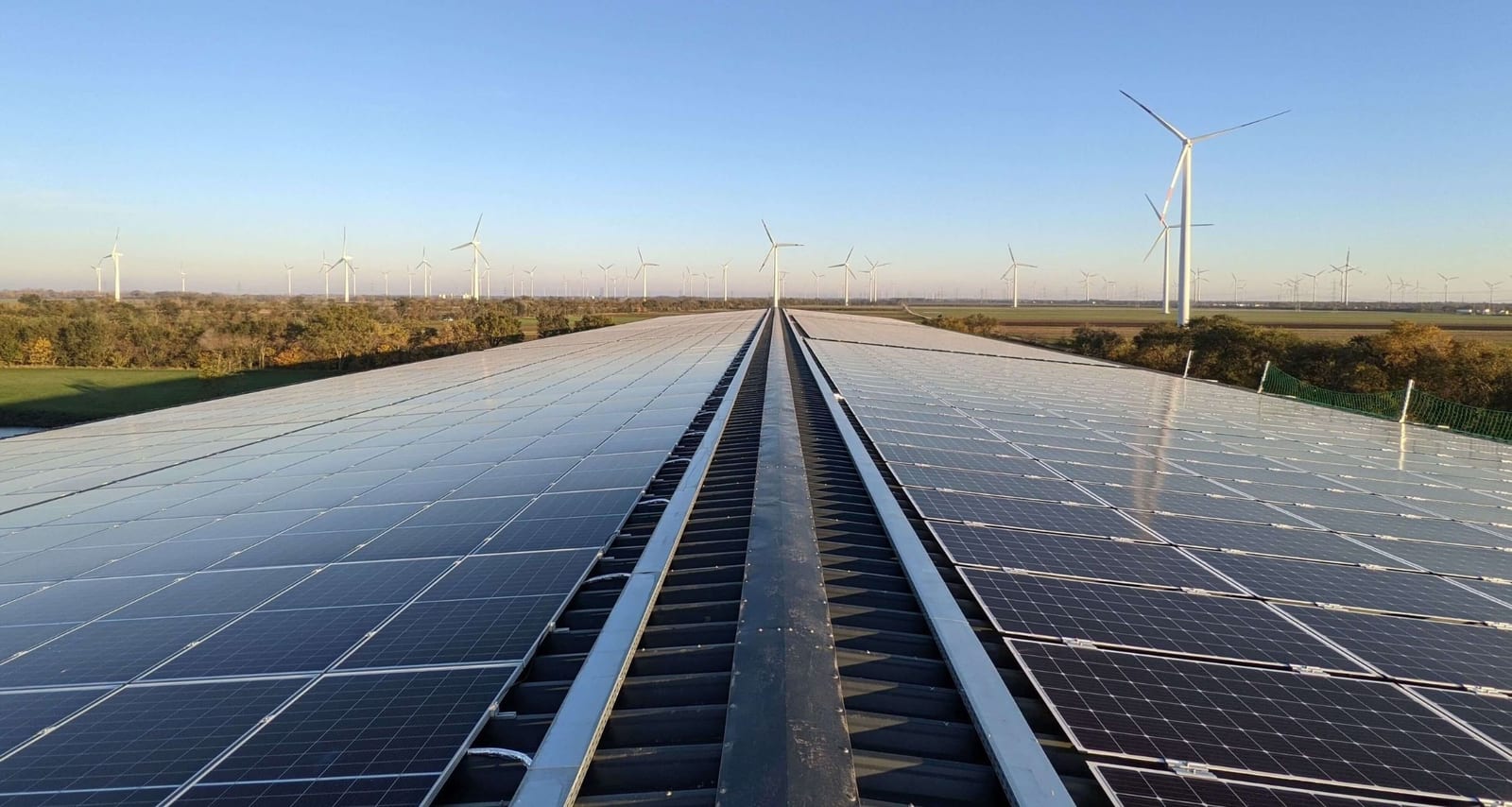
Clean energy from our own roof
Processing our bedding requires a great deal of energy. To ease the burden on the environment somewhat, in 2020/2021 we decided to build a photovoltaic system on the roofs of our halls. For us a clear win-win: on the one hand we protect the environment and have to buy less “dirty” electricity. On the other hand, our roof surfaces – which, as with almost every other business, were unused – are now put to good use: producing clean electricity.
Following these considerations, we covered both large halls almost completely with solar panels. Together with the company Ökostrom we have been operating the PV system ever since, covering large parts of our electricity consumption with our own production.
Electricity for 335 households
The total of 2,848 PV modules with a maximum output of approx. 1,000 kWp generate around 1 million kilowatt hours (1,000,000 kWh) of clean energy per year! The electricity generated is not just available to us, but is also largely fed into the power grid. The energy generated corresponds to the annual electricity consumption of more than 335 Austrian households.
A contribution to the energy transition
We are glad that this step makes our bedding even more sustainable, and hope to make a contribution to the energy transition in this way.
In the media
With our PV system we were also featured in the press:
Matching products
More posts
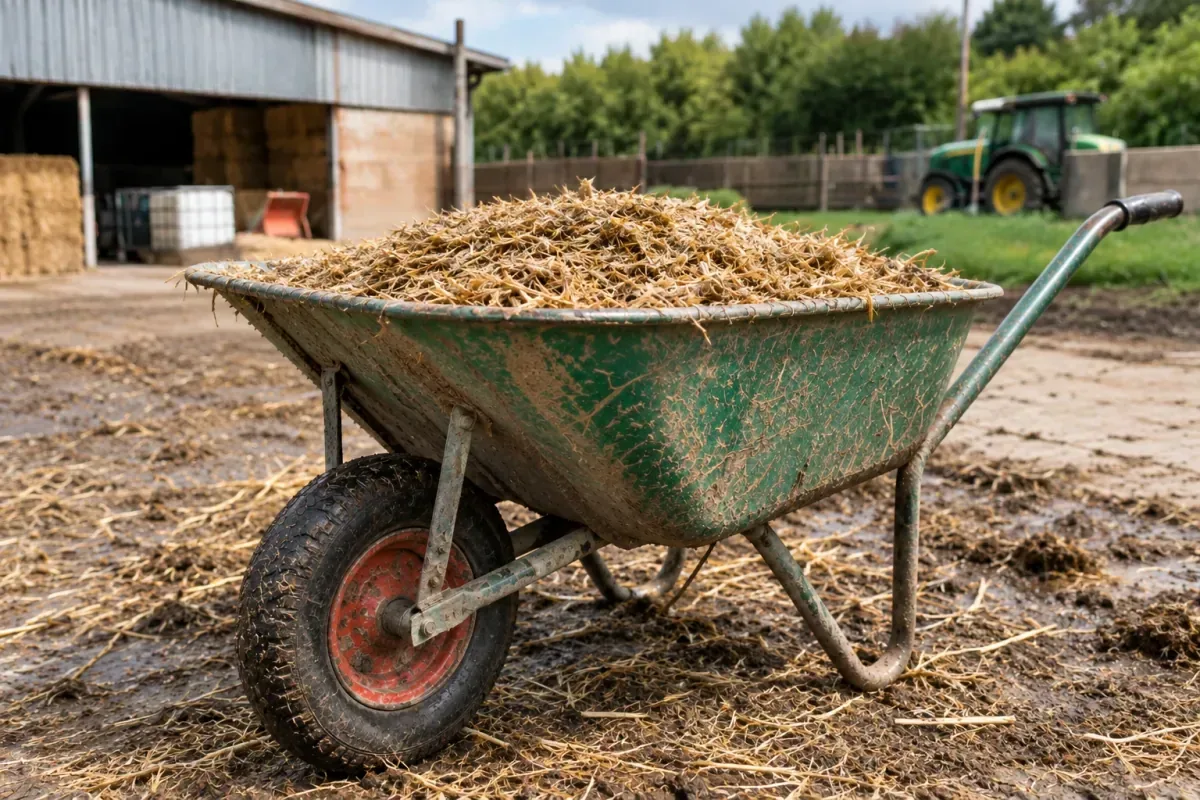
From the stable to the field: manure as fertiliser
The savings continue after the stable: chopped straw rots quickly and composts well. How used bedding becomes a valuable fertiliser and why wood shavings often come off worse.
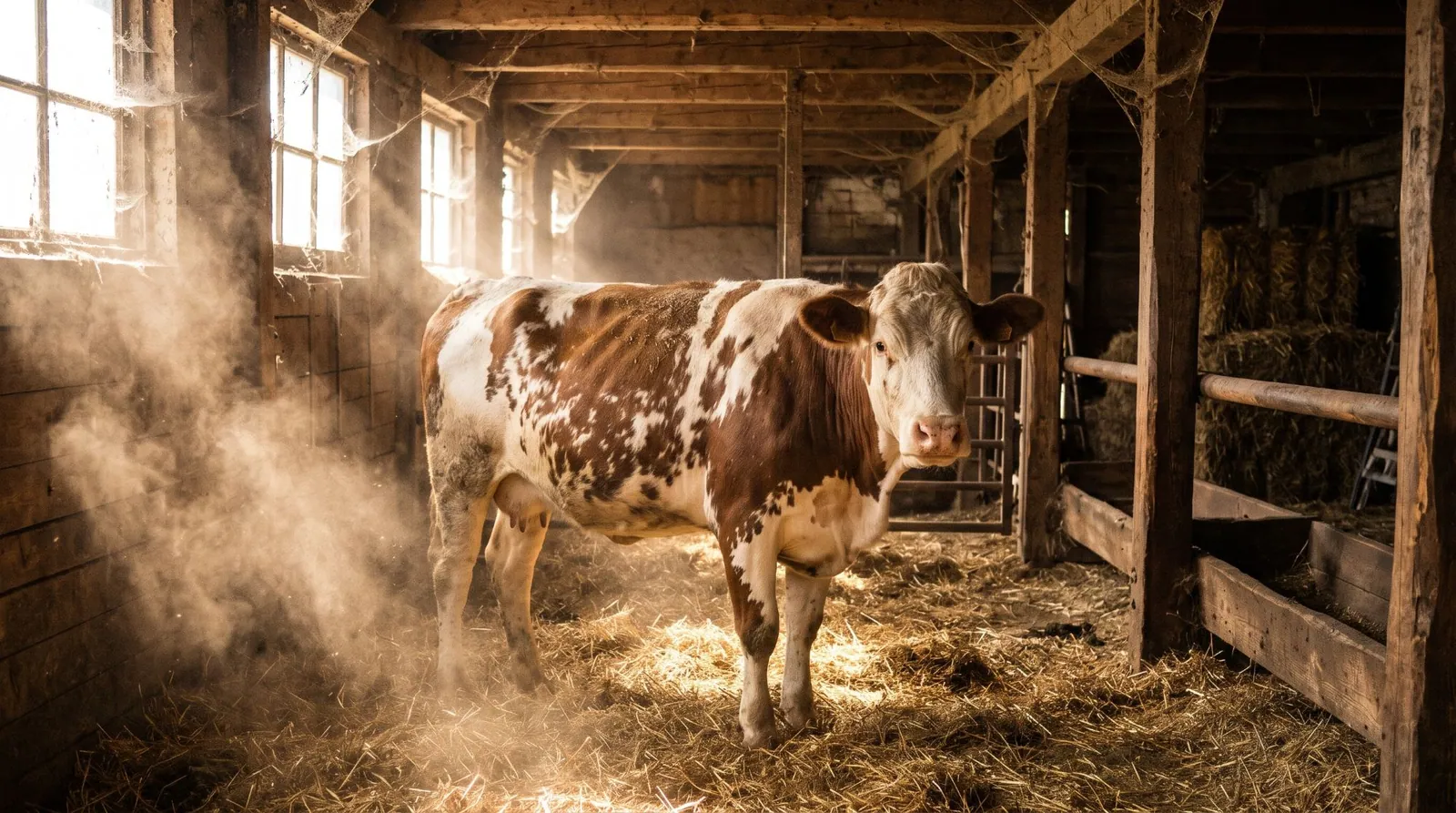
Dust in the stable: why dedusted straw protects animals and people
We remove up to 15 % dust from the straw. That is 50 to 100 kilograms per bale that never even end up in your stable. Why this makes a difference for airways, stable climate and everyday work.
Chopped straw vs. fine straw vs. premium – which type pays off when?
Fine straw is simply chopped straw chopped once more – with the same low dust content. We explain the differences between all three types and when each one pays off.