
From the stable to the field: manure as fertiliser
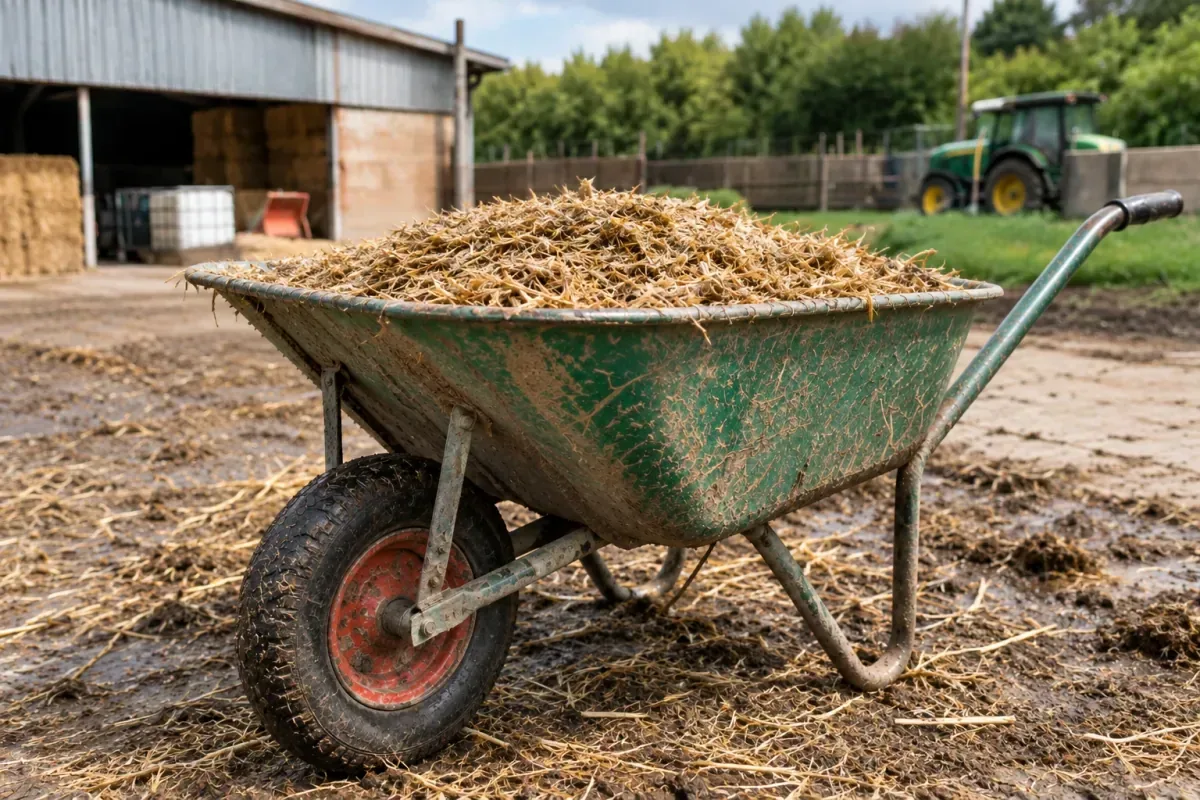
In the stable the bedding has done its job – but its story does not end there. As manure it ends up on the dung heap or in the rotting process and later returns to the field as fertiliser. This is exactly where it shows whether the right bedding saves you twice.
What is in manure
Stable manure consists mainly of the animals' dung and urine as well as the bedding. How many nutrients it contains depends, among other things, on the starting material, storage, feeding and the animals' performance – regular analyses are therefore recommended. The bedding plays a double role here: in the stable it absorbs moisture, and later it influences how the manure rots: the type and amount of bedding affect the temperature and the point of maturity of the rotting process.
Why chopped straw rots quickly
Our straw is chopped several times and frayed. The short, broken-up stalks give microorganisms plenty of surface to work on, so the straw rots very quickly and composts well. Used Manz straw is therefore especially popular with farmers: it can be used as fertiliser simply and without fuss.
Composted manure improves the soil
According to AGES, well-composted stable manure has a favourable potential to replenish humus and stabilises the soil structure. It therefore not only brings nutrients to the field, but also improves the soil itself.
The plus for your wallet
Anyone who spreads their own manure on the field can save part of the fertiliser they would otherwise buy. With quickly rotting straw this works easily and without great effort – the bedding thus pays off twice: in the stable and in the field.
And with wood shavings?
With wood shavings things look different: they compost only very slowly, often cause soil acidification and are also not suitable for biogas plants. Manure based on wood shavings is therefore often not accepted by farmers at all and then has to be disposed of at high cost. The C/N ratio also shows the difference: according to AGES, wheat straw is at about 100:1, woody bedding such as sawdust at about 500:1.
Tips for the way from the stable to the field
A few simple basic rules help to get the best out of the manure:
- Have the manure analysed regularly: this allows the fertilising to be planned precisely.
- Do not pile stacked manure higher than 2 metres.
- Keep an eye on the rotting process: the type and amount of bedding influence temperature and maturity.
- Observe the rules on spreading: closed periods and requirements apply depending on the country and the farm – if in doubt, ask the chamber of agriculture.
Conclusion
The bedding does not end in the stable: with quickly rotting straw the manure becomes a simple, popular fertiliser – and the bedding becomes a cycle that pays off twice for the farm.
Matching products
More posts
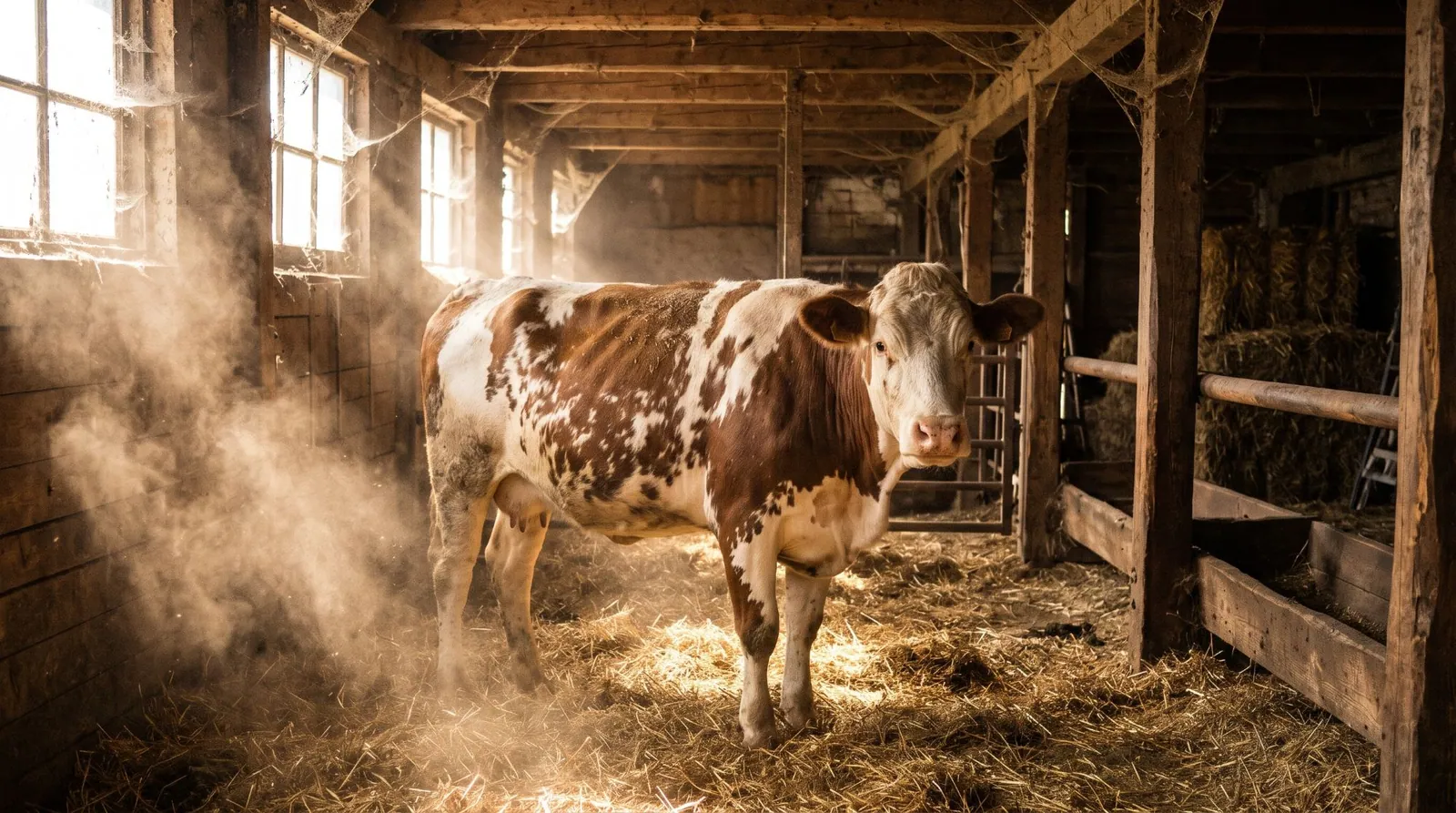
Dust in the stable: why dedusted straw protects animals and people
We remove up to 15 % dust from the straw. That is 50 to 100 kilograms per bale that never even end up in your stable. Why this makes a difference for airways, stable climate and everyday work.
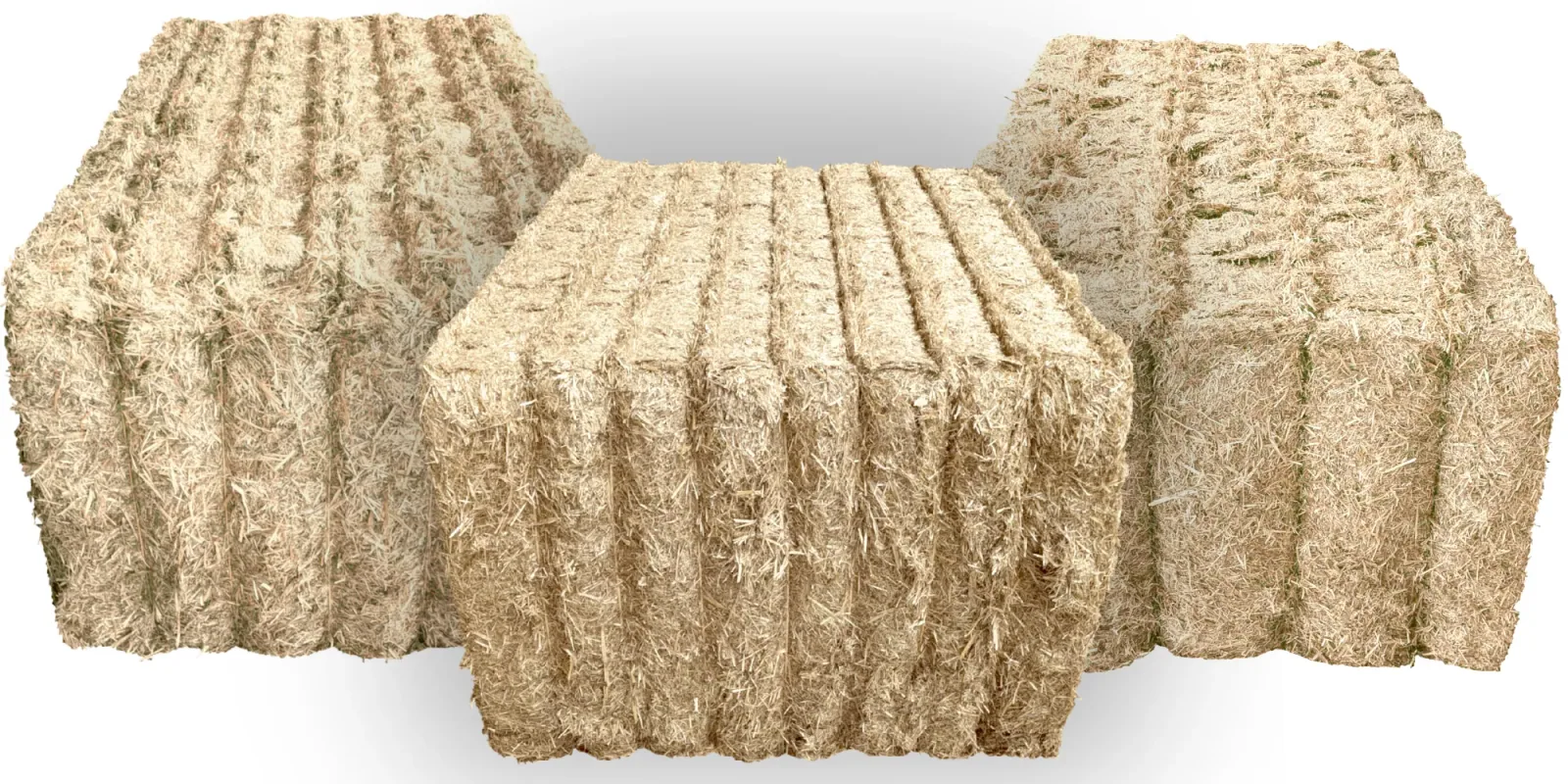
Chopped straw vs. fine straw vs. premium – which type pays off when?
Fine straw is simply chopped straw chopped once more – with the same low dust content. We explain the differences between all three types and when each one pays off.
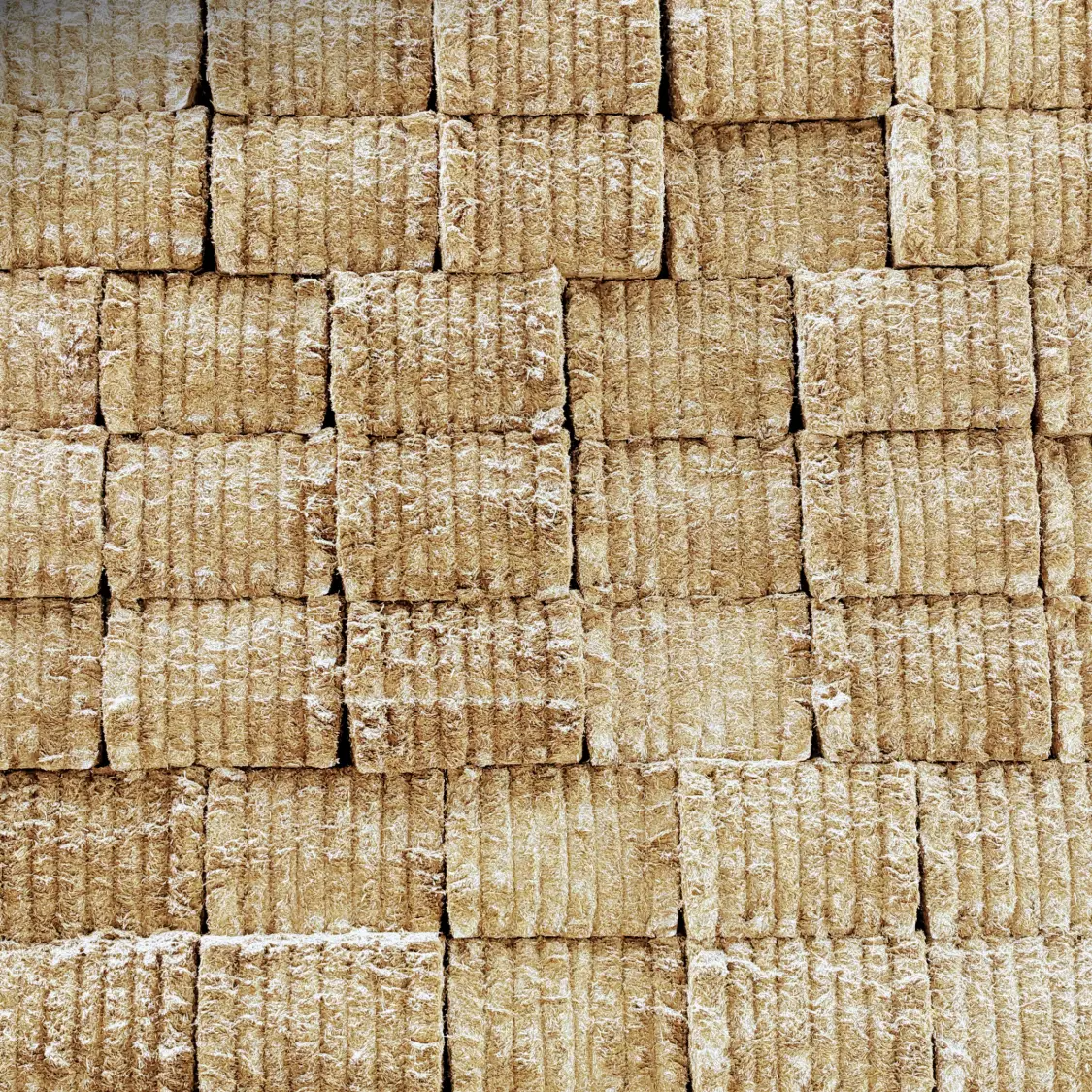
Storage & shelf life: how to keep your Manz straw good for a long time
Our straw leaves the farm already dedusted and bone dry. How long it stays that way, however, is only decided at your place – through storage. Here is what to look out for.